Kiosks
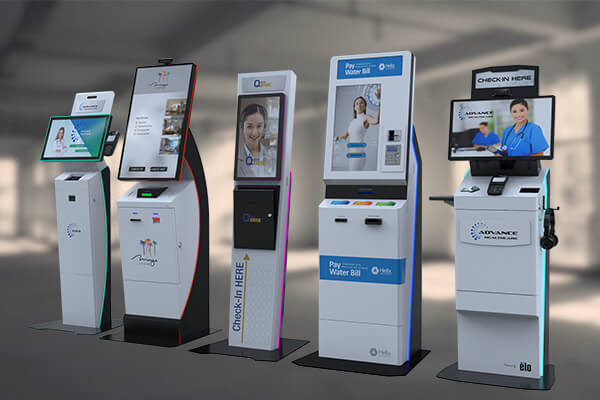
Kiosks are self-contained, interactive stations that provide information, services, or products in various settings, from retail environments to public spaces and trade shows. These versatile units are designed to engage customers by offering a user-friendly interface, making them a powerful tool for enhancing the customer experience and streamlining operations. Kiosks can be used for a wide range of purposes, including ticketing, product ordering, wayfinding, check-in services, and more.
Interactive kiosks are equipped with touchscreen displays, allowing customers to quickly access information or make transactions independently. In retail, kiosks can serve as digital catalogs, enabling customers to browse products, check availability, or even place orders for in-store pickup. In transportation hubs like airports and train stations, kiosks are often used for ticketing and check-in processes, reducing wait times and improving efficiency.
One of the main advantages of kiosks is their ability to automate services, which can help businesses reduce labor costs and provide 24/7 accessibility to customers. Kiosks are also highly customizable, offering businesses the opportunity to brand the unit with their logo, colors, and messaging, making them an extension of the company’s identity. Furthermore, with the rise of contactless technology, kiosks can enhance hygiene and safety, especially in high-traffic areas.
In summary, kiosks offer businesses an efficient, customizable, and customer-friendly solution for delivering services, promoting products, and streamlining operations across a variety of industries.